

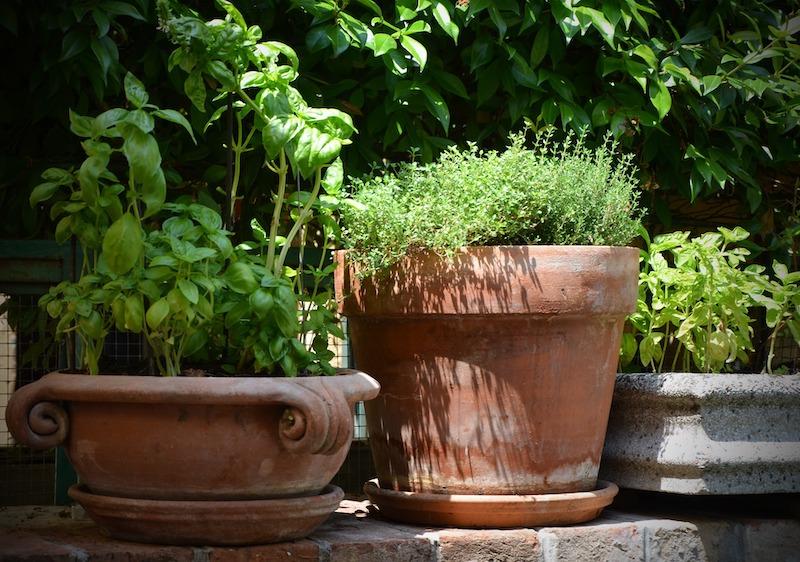
Growing an herb garden right outside your kitchen means having fresh, aromatic flavors mere footsteps away. In fact, Equinox co-founder Patrick Picard says “you should be able to walk to your herb garden in your slippers.” Many of the most popular kitchen herbs grow well in our Mediterranean climate with lots of sun and seasonal dry conditions. Another benefit of growing herbs is they attract bees, butterflies, hummingbirds and other pollinators. Here are a few tips:
Wait until the frost is gone. Spring is less than a month away, but in our mild Bay Area climate frost season is usually over by the first week of March. After that, it’s time to start planting—we recommend starts, rather than seeds, for beginners. The great thing about most herbs is they are perennial, so you don’t have to replant each year.
In the ground or in a pot.
You don’t need a lot of space to cultivate a variety of culinary and medicinal herbs. A patch of backyard, a small patio or even a window balcony will do. Most herbs can be grown in pots and other containers if yard space is scarce. Some herbs, such as lemon balm, mint, and chamomile, are prodigious spreaders that can easily overtake a garden, so plant them in pots to keep them under control.
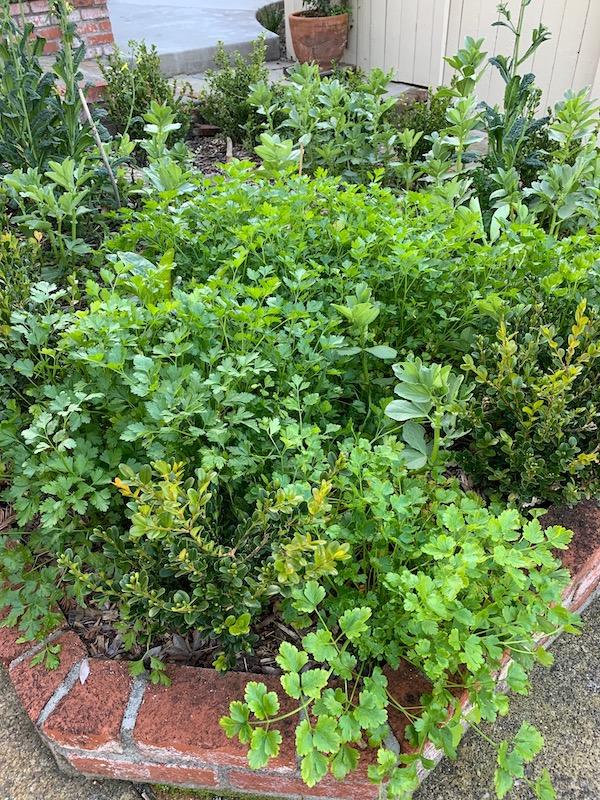
This parsley patch is integrated into an existing patio garden bed
So many tasty choices.
For culinary herbs, you may want to start with four classics:
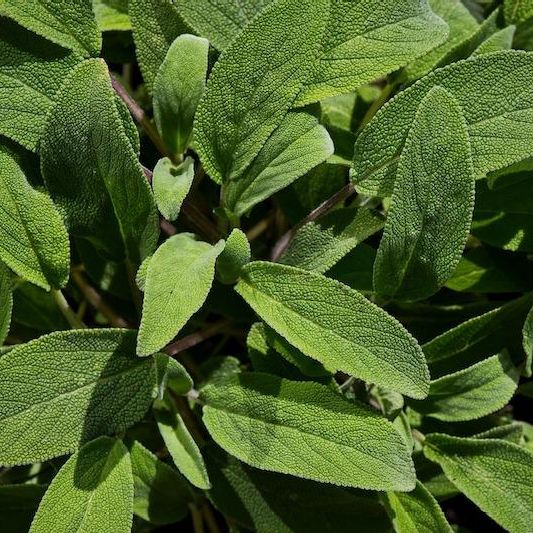
Sage. Common and Tricolor sage are best for cooking; flavors are fullest when picked before flowering.
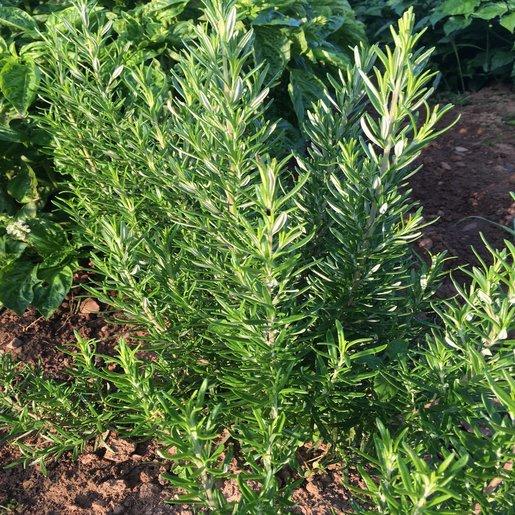
Rosemary. One of our favorite varieties is Barbeque Rosemary, aptly named for its strong, straight stems that can serve as barbeque skewers. Exceptional flavor and aroma.
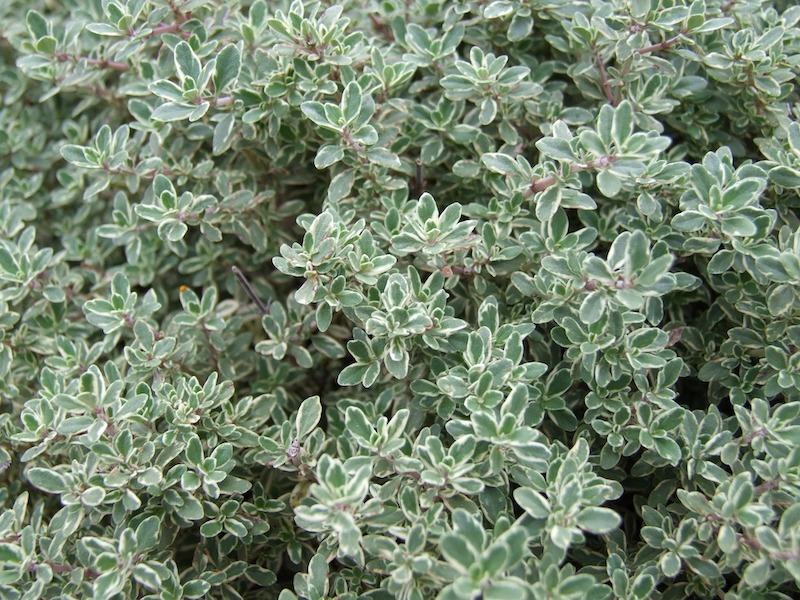
Thyme. Actually thrives in poor soil with little water. Does well with a little pruning to prevent it from getting too woody.
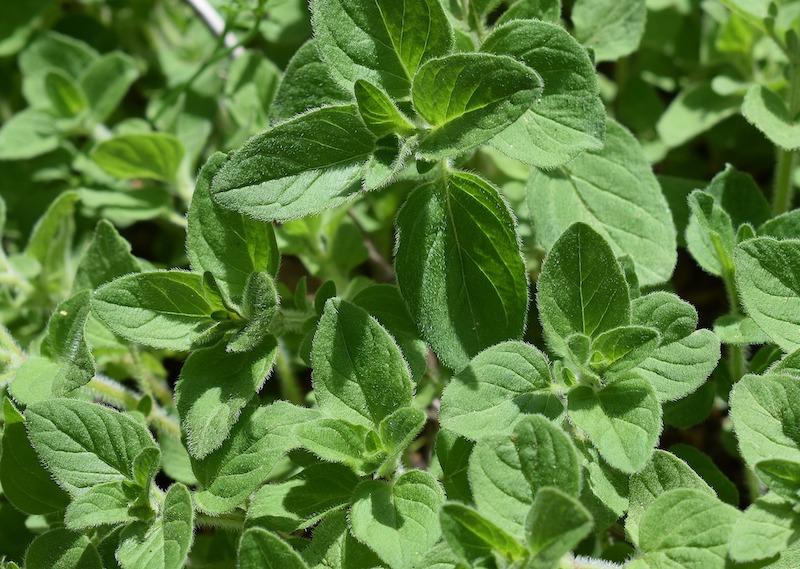
Oregano. Cuisines from around the world use oregano. Varieties include Greek, Mexican and Syrian and all impart different flavor profiles.
Depending on your taste preferences, other herbs to grow in your garden might include cilantro, parsley, marjoram, tarragon, basil, chives and spearmint. Just remember that over-watering is a common mistake, especially with potted herbs, so take care to monitor soil moisture and only water when needed.
Grow a medicinal or tea garden. Many herbs are known for their medicinal properties and also make soothing teas
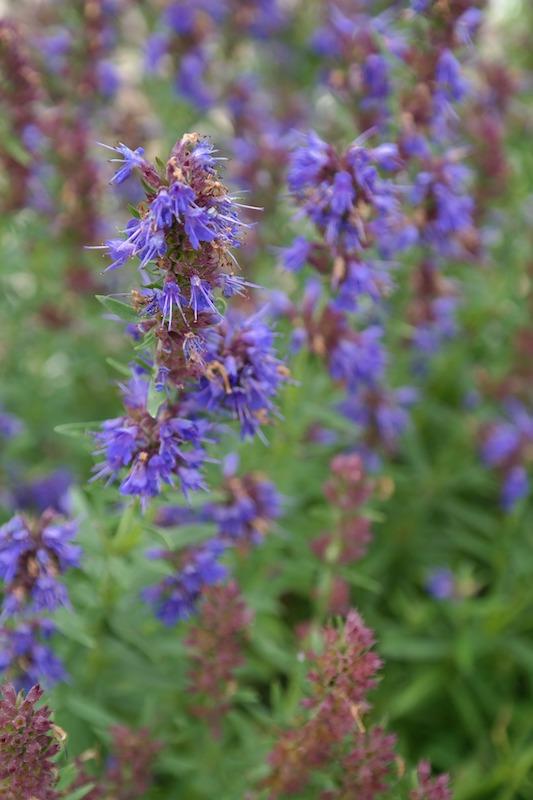
Hyssop. Soothes respiratory and digestive ailments. Flowers attract bees and other pollinators.
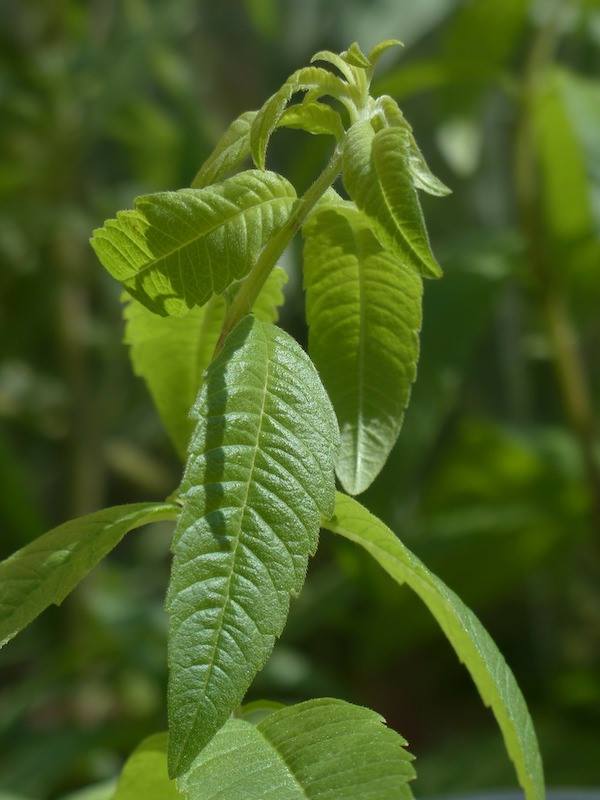
Lemon verbena. The lemony aromatic leaves make a calming tea for the nervous system.
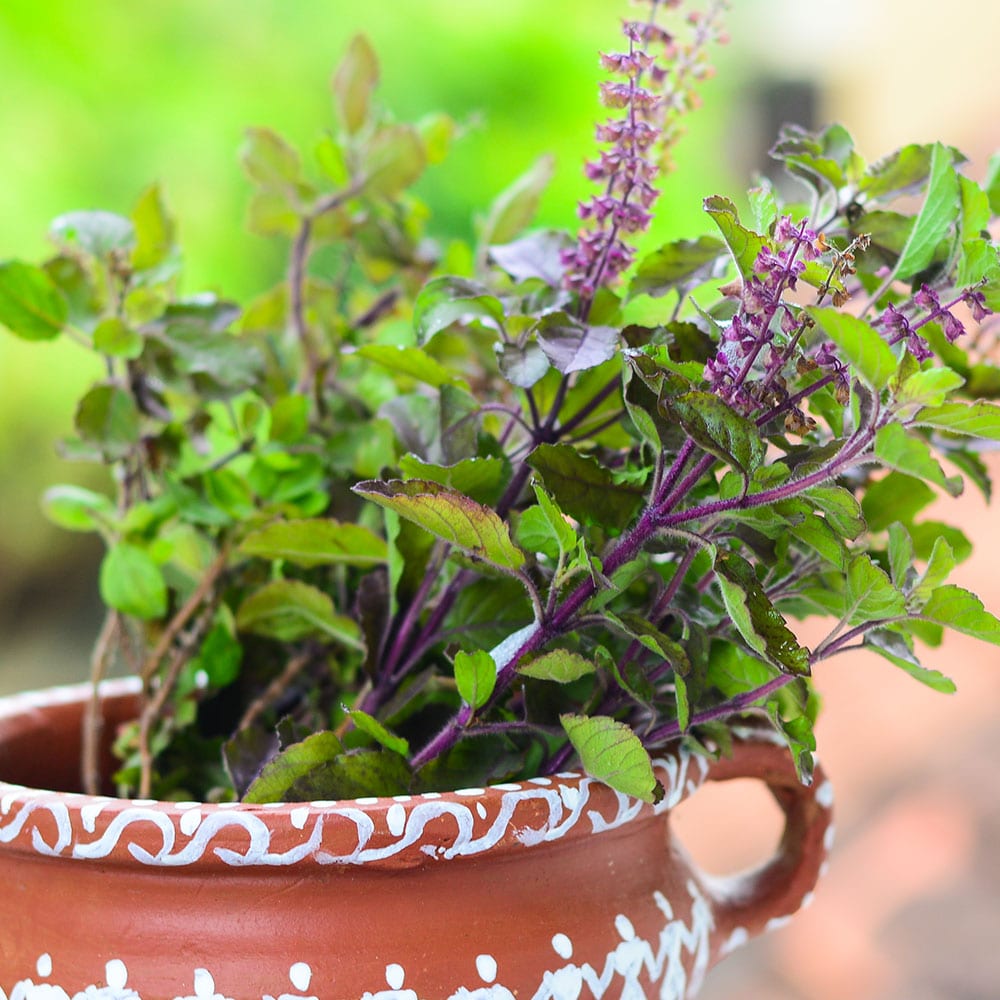
Tulsi, or Holy Basil. Related to classic Italian sweet basil, this variety is used in Ayurvedic medicine to treat inflammation, stress, stomach ailments and other conditions.
Other tea and medicinal herbs to consider include Echinacea, comfrey and chamomile. Don’t forget to prepare for cold and flu season by drying your medicinal herbs to have on hand in the winter months.
* * *
Dig Deeper:
- Gardening Know How has a terrific, comprehensive list of edible herbs and helpful growing tips.
- This brief video gives a good overview on how to preserve fresh herbs using a variety of methods.
Herbs are just one component of an edible landscape, whether a full backyard food forest or a few patio containers. Our designers can expertly weave an herb garden into your landscape plans, so call us for an estimate: 707-789-9786
* * *
Equinox News Flash:Meet Our New Project Manager
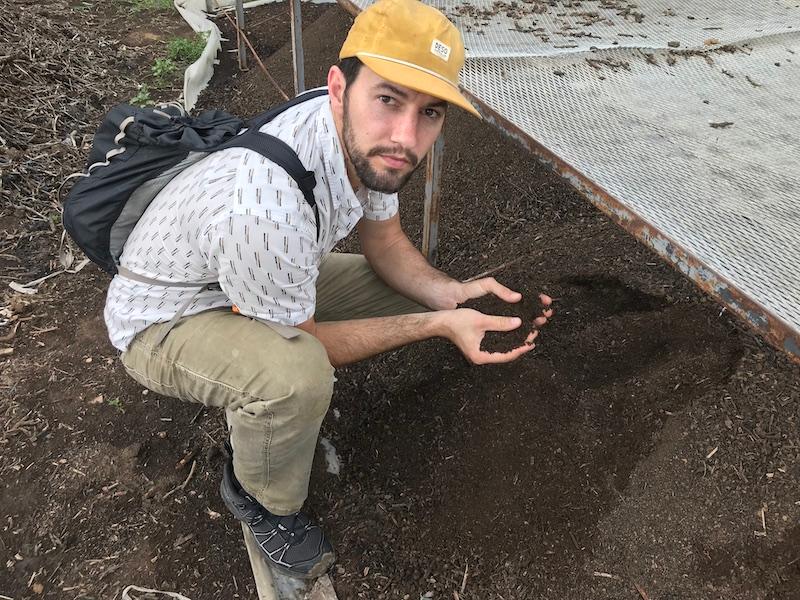
We’re pleased to introduce you to our new Project Manager, James Collector. James loves turning designs into reality. He understands that each project is unique and each client has a different relationship with their land. During the installation process, he focuses on clear communication, timely updates, and making sure all the little details come together to form a whole greater than its parts. Educated at UC Berkeley’s sustainable development master’s program and Occidental Arts and Ecology Center’s permaculture certification course, James draws from over a decade of hands-on installation experience. He is as comfortable analyzing soil data and researching cutting-edge ecological practices as he is operating power tools or pruning a pear tree. For James, landscaping is more than a job—it’s central to his ethical commitment to building the beautiful, regenerative future we all know is possible.
We are thrilled to have James on board and hope some of you get a chance to meet him.