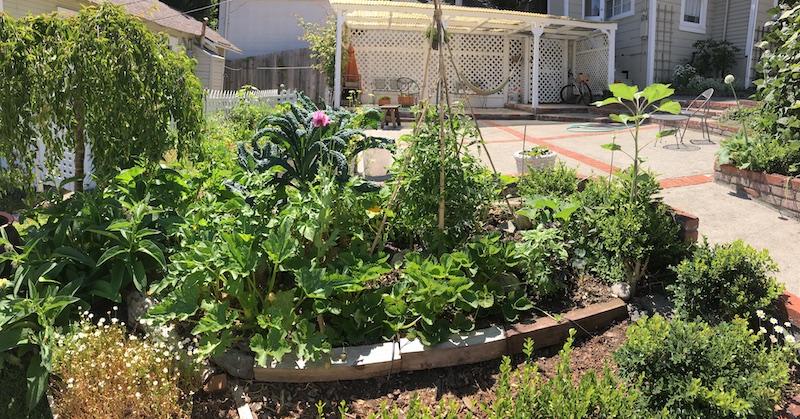
Spring is officially here, and it’s time to start sowing a veggie garden. What to do when your green thumb is raring to go, but you don’t have room for a big garden plot? No worries—you can still grow an edible landscape in tight spaces. Here’s how…
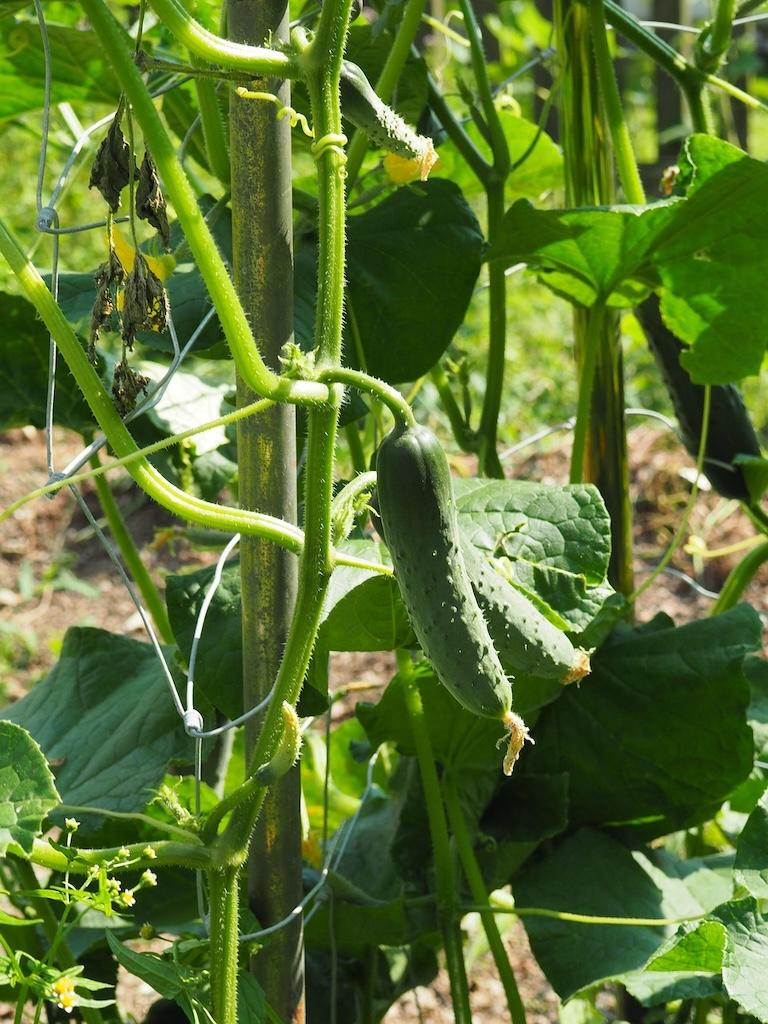
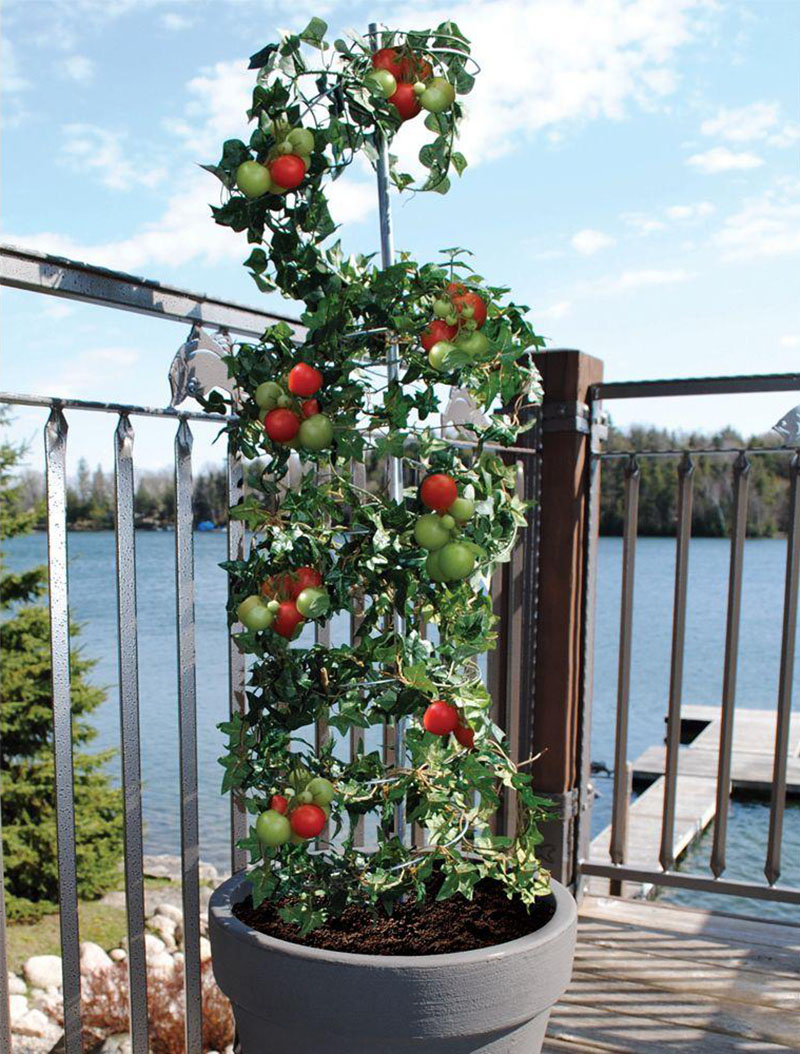
Photo credit: Contemporist
Grow Up! Vertical is the space-efficient direction to go for climbing plants, like pole beans, hanging strawberries, tomato vines, snow peas and cucumbers. Whether in the ground along fence lines, up trellises or in containers, these plants are well adapted to vertical gardening. With the help of some spare lumber, bamboo poles, wire fencing or a few stakes and string, you can guide your crops upwards, where they will get good sun exposure and airflow. Hanging pocket gardens and window boxes don’t require ground space, and are also great ways to grow food crops vertically.
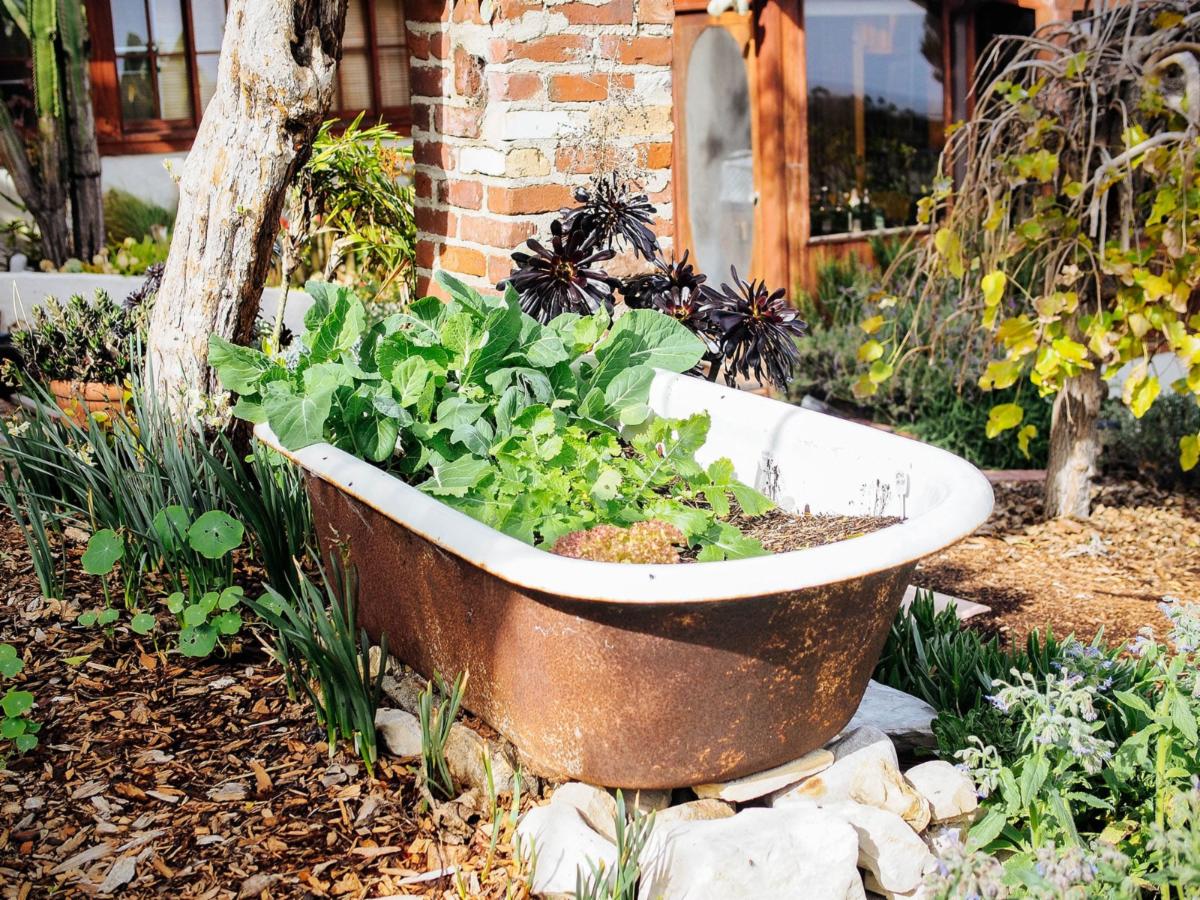
Photo credit above: gardenbetty.com
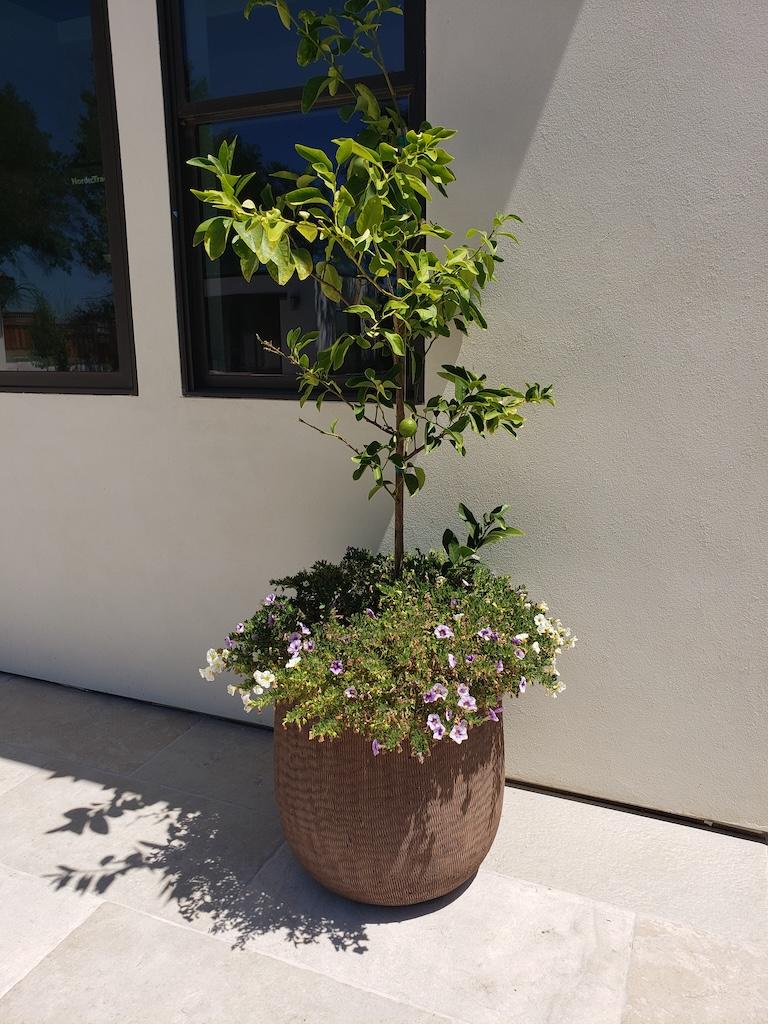
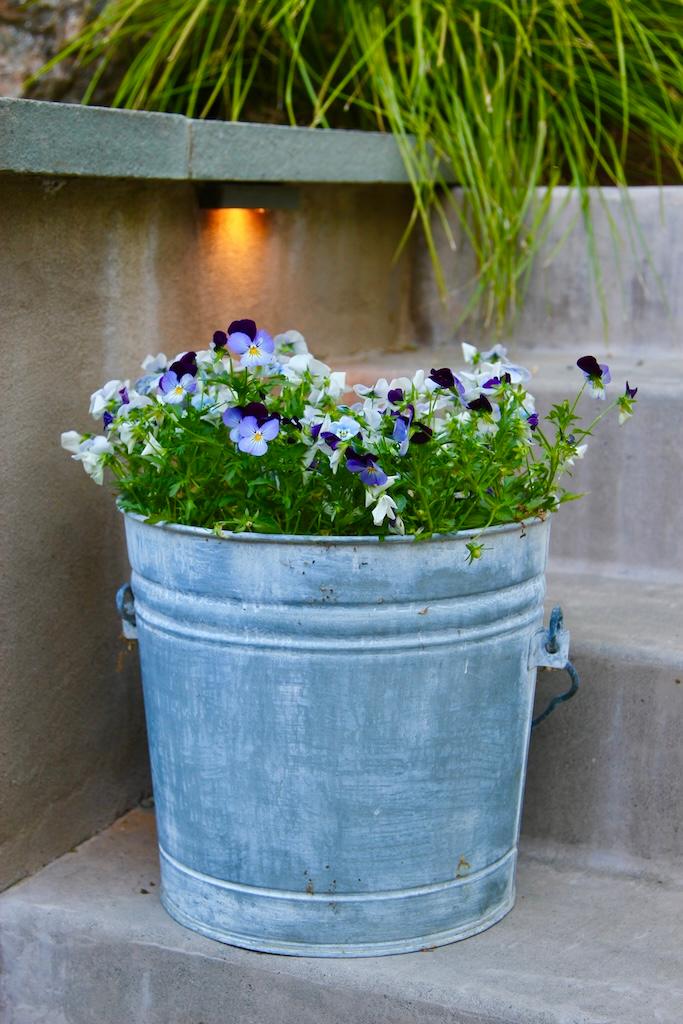
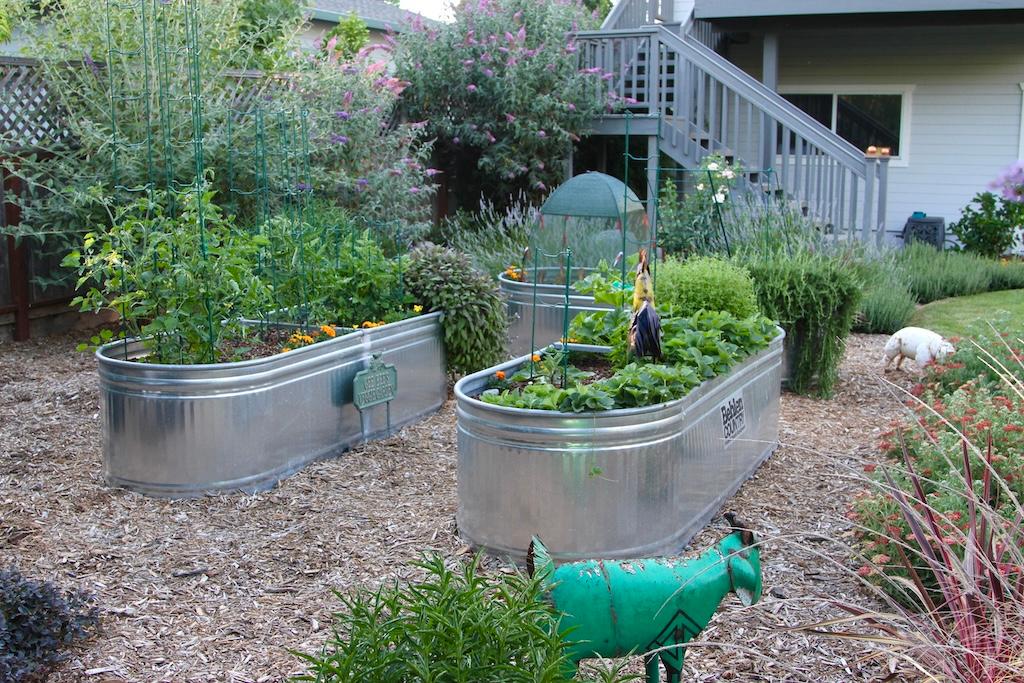
Containers: Beyond terracotta pots. Most edible crops and ornamentals can be grown in containers, which come in all shapes, sizes and materials. Have a little backyard space, but poor soil conditions? Fill a galvanized stock tank with healthy potting soil (see below), and plant it with your favorite greens. If you’ve got a patio but not much yard, wine half-barrels make attractive containers for dwarf citrus trees, blueberry shrubs and even potatoes. And yes, terracotta pots are excellent for your small-scale herb garden. Almost anything that holds soil can be a growing container!
Seeds or starts? Many people buy vegetable seedlings (starts) as an easy way to get their garden growing. Starts are convenient, but you are limited by what is available in garden centers and stores. Our Bay Area climate allows for sowing many varieties of vegetables directly in the ground, such as beets, squashes, carrots, cucumbers and Asian greens.
Others are best started indoors and then transplanted: onions, brassicas, tomatoes, peppers and basil. Either way, be sure to consult your gardening charts for best times to sow and plant. And we always recommend organic starts and seeds.
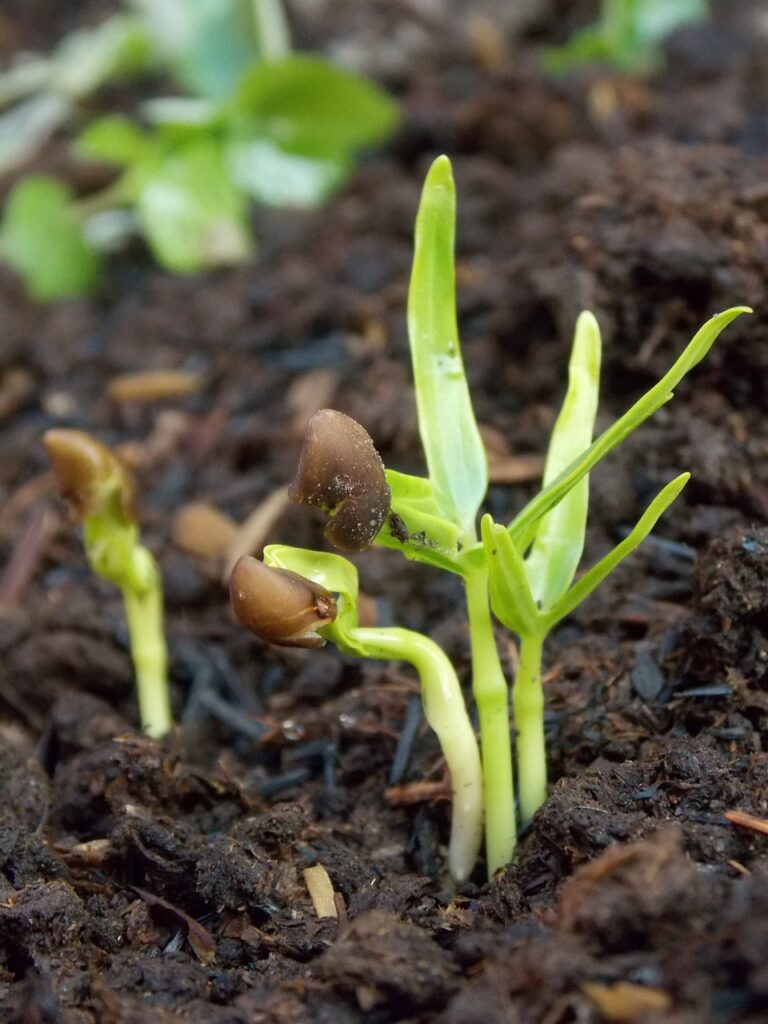
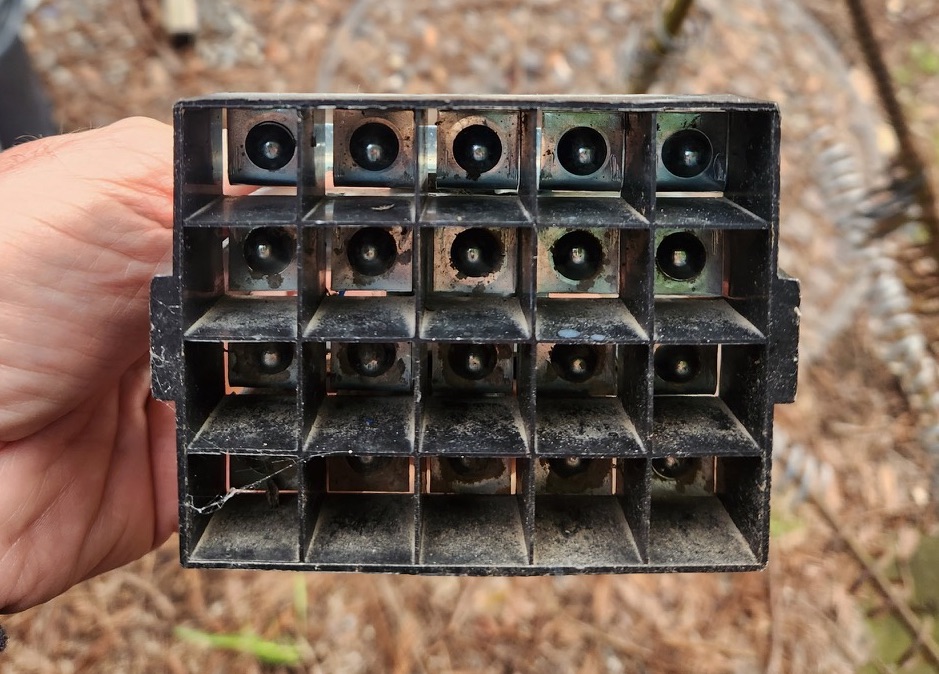
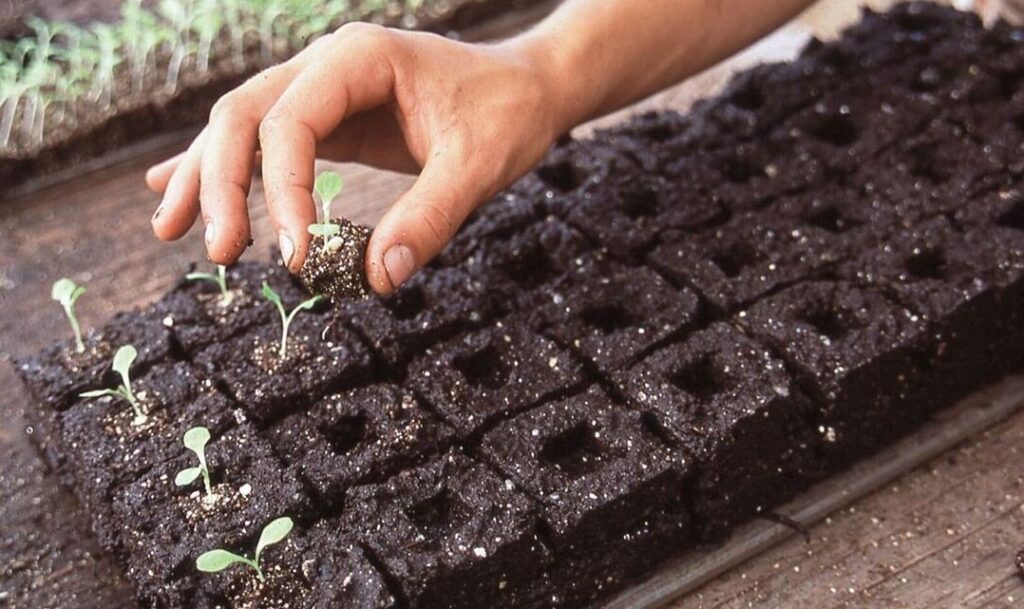
Photo credit, above: LA Landscape Supply
Healthy soil = healthy food. The foundation of any productive garden—large or small—is good soil. When sowing seeds for his garden, Equinox founder Patrick Picard uses his own recipe for potting soil, which is more nutrient-dense and lower in sodium than many store-bought soils. All ingredients can be purchased at quality garden supply stores. He uses his potting soil to make soil blocks with a metal mold. These blocks eliminate the use of non-recyclable plastic seedling containers.
Patrick’s Potting Soil
(recipe can be halved for smaller batches)
20 quarts peat moss
2 cups azomite
Mix thoroughly, then add:
20 quarts perlite
1 cup green sand
1 cup rock dust
1 cup blood meal
Mix again, then add in:
10 quarts compost
Add just enough water for the soil to stick together, but not get too soggy (see video below).
Dig deeper:
To get a feel for the natural environment that influenced our client’s landscaping, check out the three adjoining Santa Rosa parks consisting of:
- Check out this 5-minute video on How to Make Soil Blocks.
- iGrowSonoma.org is a wonderful local source for vegetable gardening information. Click here for their seasonal vegetable planting and maintenance charts.
- Gardeners.com offers plans for small-space raised bed vegetable gardens, each a different theme, such as salad, stir fry, herbs, salsa and more.
Newsflash! We recently updated Equinox’s website with a fresh design and re-organized content. Have a look and let us know what you think!
* * *
There are so many creative ways to grow edible crops, even if you’re short on space. If you need help figuring out how best to use your limited square footage, our team can design a beautiful, edible landscape that fits your yard, patio or deck. Call us for an estimate: 707-789-9786.