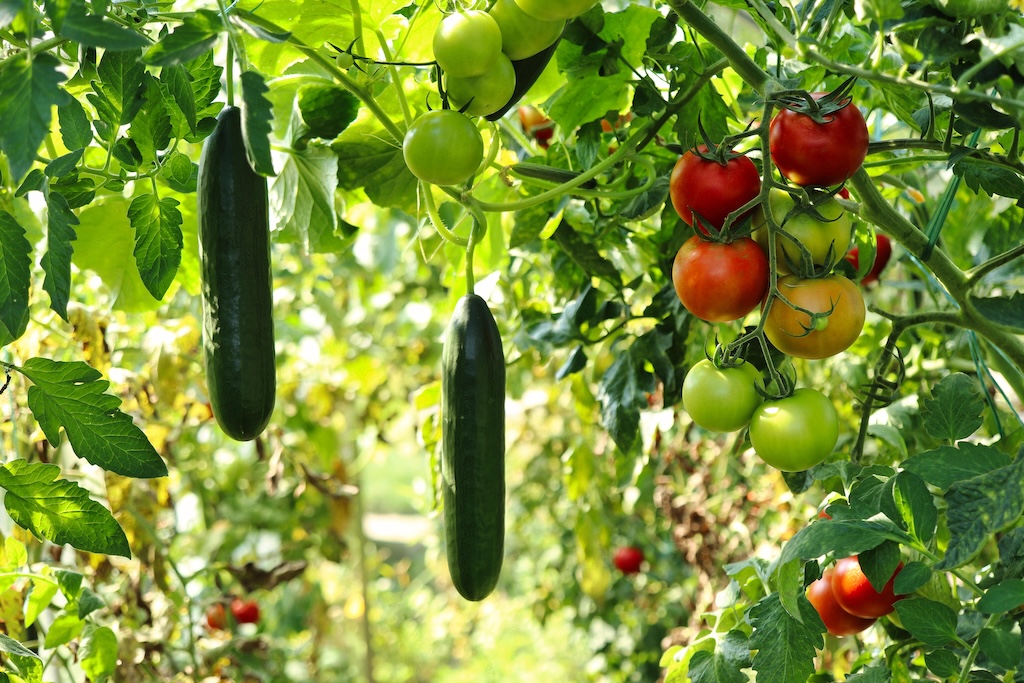
It’s high season for backyard vegetable gardening. The qualitative difference between home grown and store-bought veggies depends on a few factors such as germination and growing time; crop yield vs. garden space; and length of harvest period. Onions, for instance, are probably not worth it for most home gardeners. They take 4-6 months to mature and occupy precious garden space the whole time, while store-bought onions are cheap, abundant, and not that different for everyday cooking. Tomatoes on the other hand…the difference is epic. Here are our picks for the best produce to grow in your home garden.
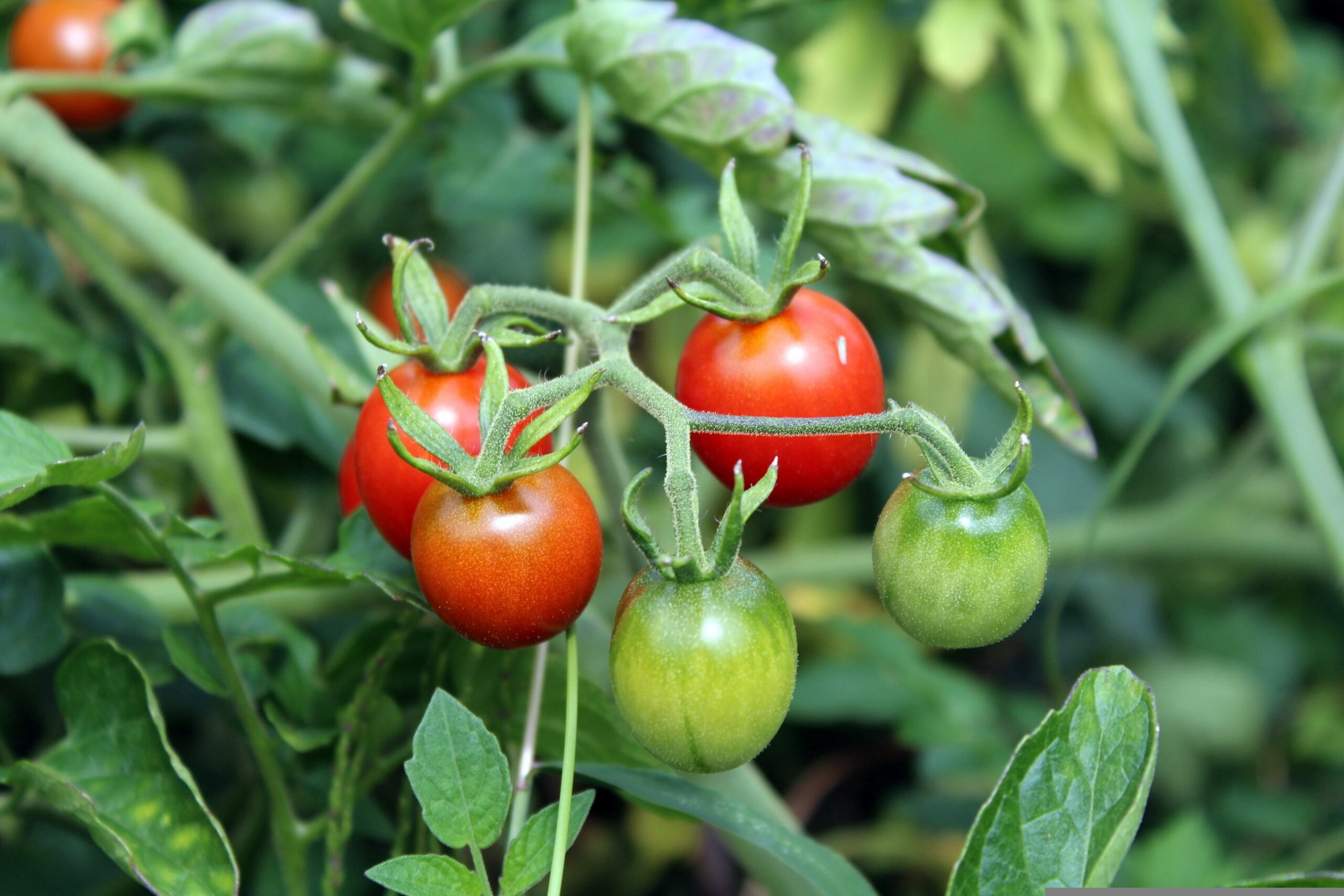
Tomatoes. It almost goes without saying: The taste gap between a vine-ripened homegrown tomato and a grocery store one is enormous. Stores pick them early for shipping; you don’t have to. Inland Sonoma County (Santa Rosa, Sonoma) gets enough heat for most varieties. In the cooler, foggier Petaluma Gap and Marin coast, stick with fog-tolerant types like Early Girl, Stupice, or Sungold cherry tomatoes.
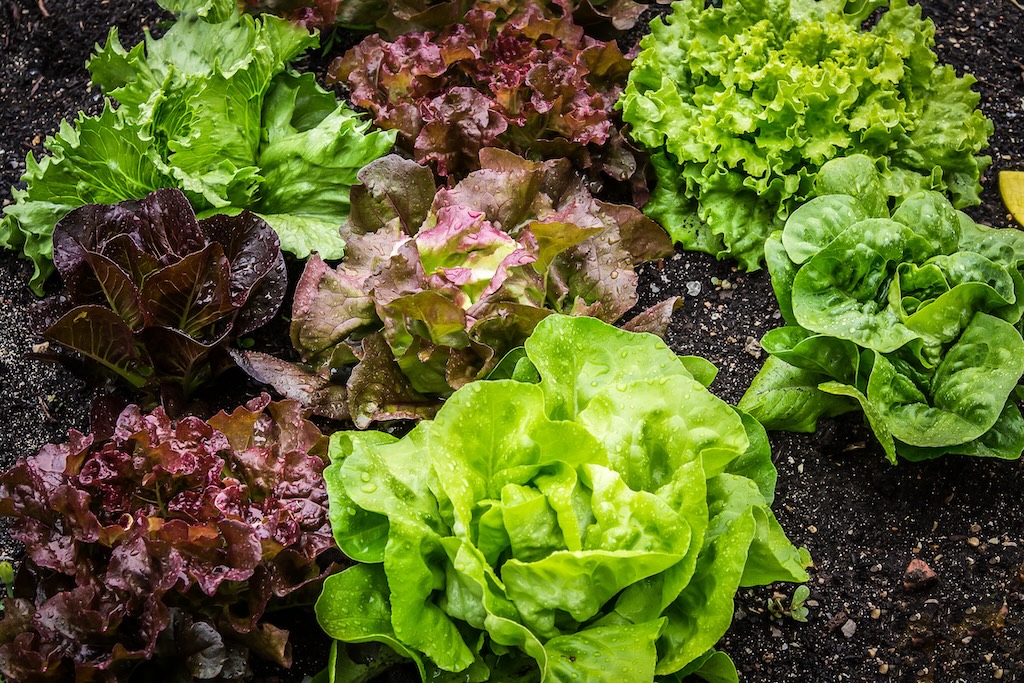
Salad Greens and Lettuce. These tasty, versatile greens grow fast (ready in 4-6 weeks), and do extremely well in the cool, mild climate year-round. Ever notice how those expensive bagged store greens go limp and slimy almost immediately? With “cut-and-come-again” varieties you get weeks of harvests from one planting, and they’re always fresh.
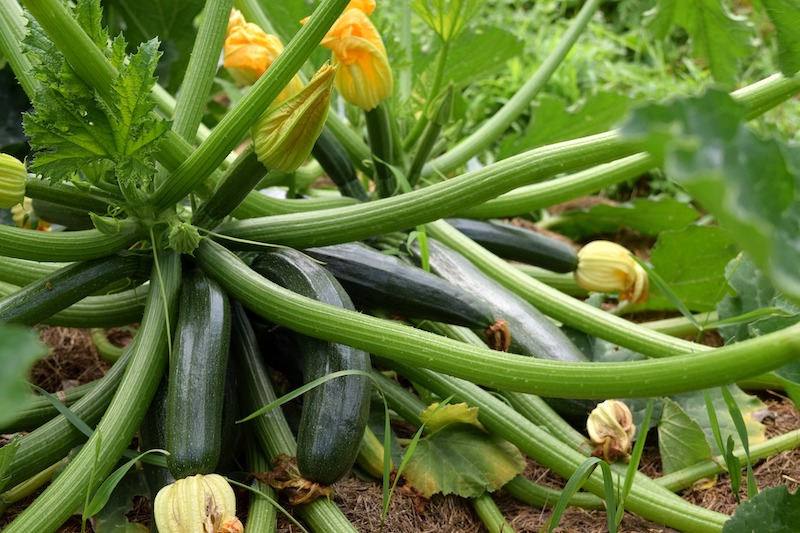
Zucchini/Summer Squash. Ridiculously abundant. An embarrassment of riches from a single plant! Summer squash flavor is best when harvested small (6-8 inches), which is something you can really only do when it grows a few feet from your back door. Zukes are easy to grow, and the abundance justifies the space they take up in your garden.
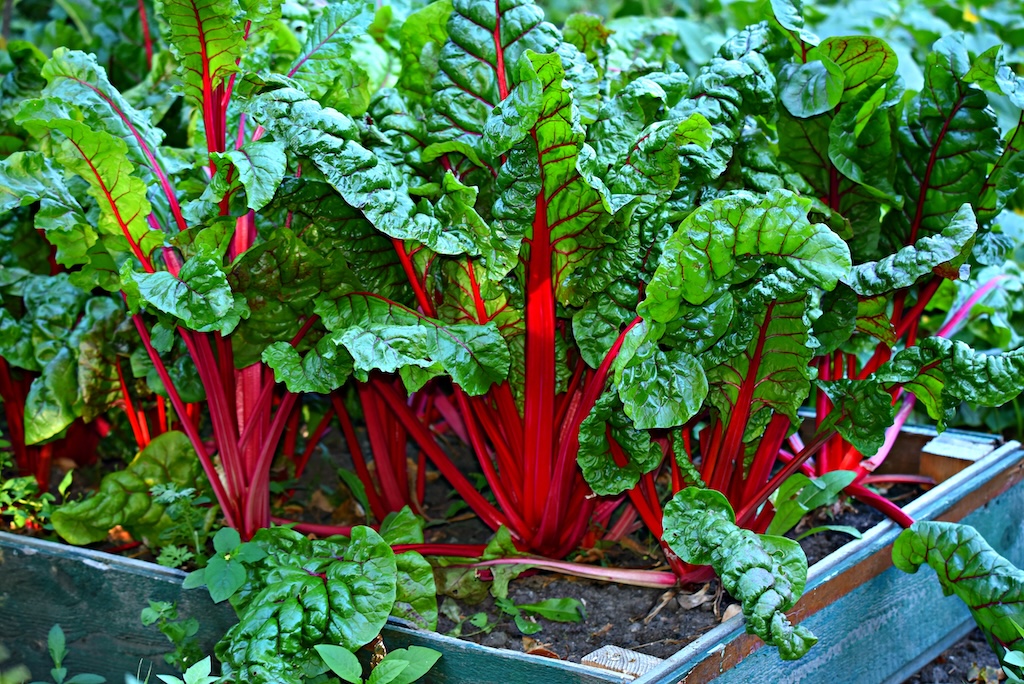
Kale and chard. Both thrive in our North Bay climate nearly year-round. They produce over a very long window, and when freshly picked, taste noticeably better than days-old bunches from the store. Chard is particularly forgiving. These nutrient-dense greens are garden and culinary workhorses.
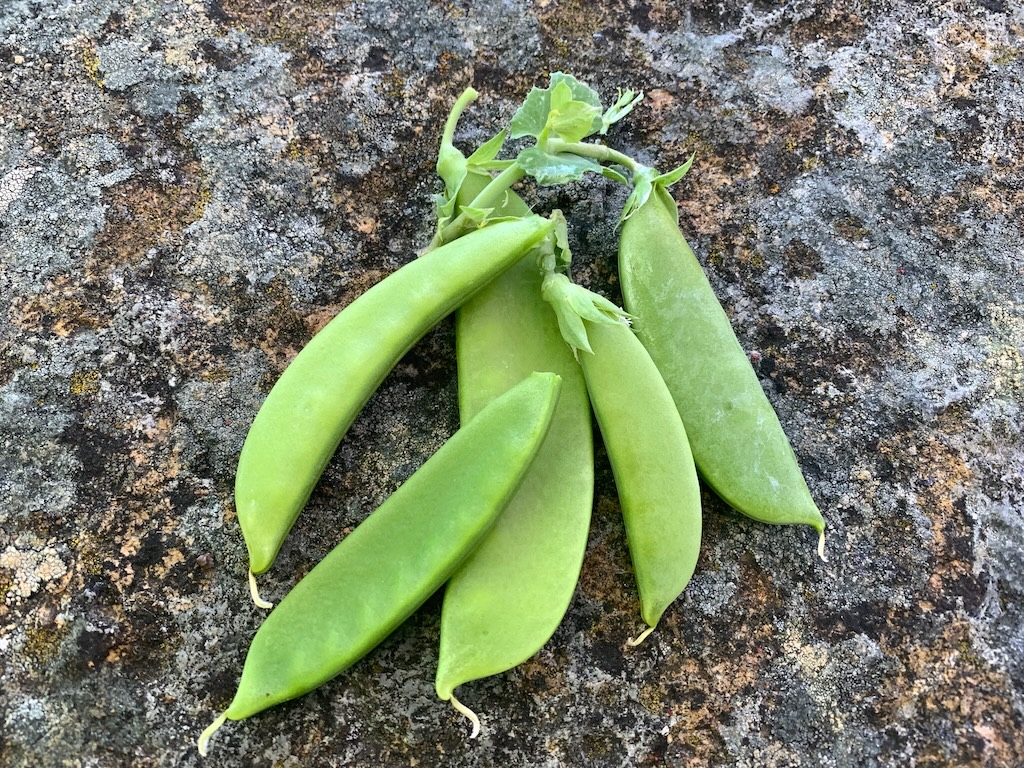
Snap or Snow Peas. Quick-growing pea vines yield the most crunchy, fresh, pods-and-all deliciousness. Store-bought peas lose that flavor quickly, and you’re left with kind of “meh” peapods. They’re a great early spring and/or cool, foggy climate crop that germinates easily from seed. Kids love to watch how quickly they sprout, climb and produce.
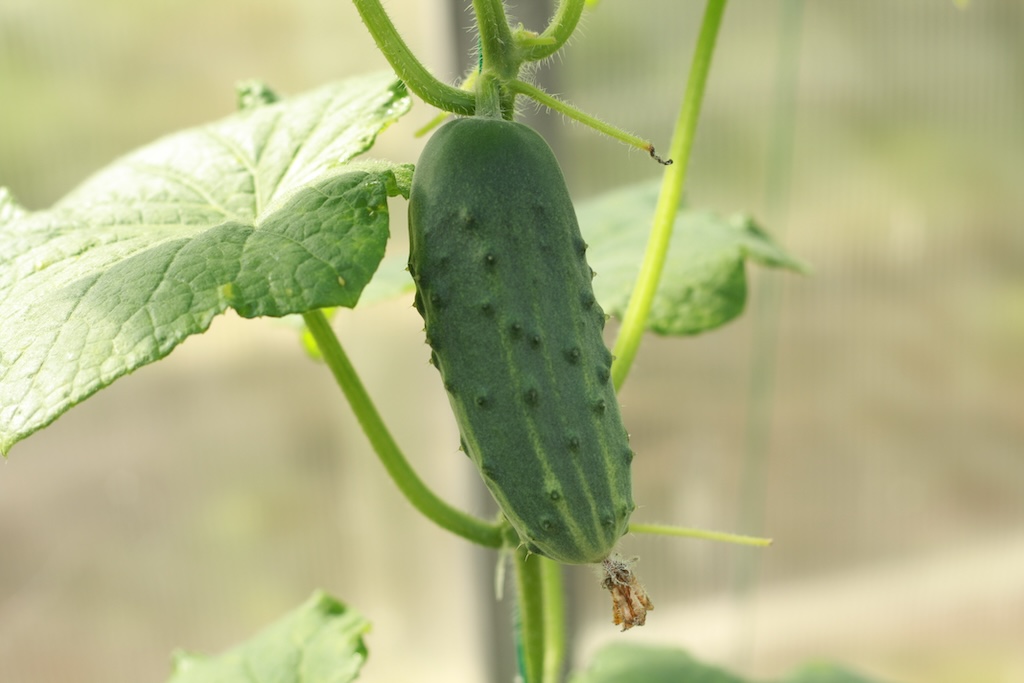
Cucumbers. Speaking of vines, cucumbers come in a wide range of varieties: pickling, lemon, Persian, Armenian and many more. As with snap peas, the flavor and crunch of a just-picked cucumber cannot compete with the grocery store. Whether climbing vines or bush-style cukes, they produce abundantly, and are well worth their garden space. Note: to avoid bitterness, be sure to water your cucumbers generously and regularly.
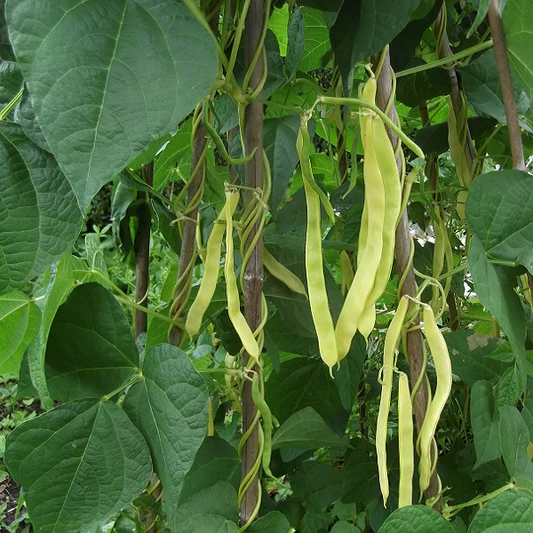
Snap (Green) Beans. Blue lake bush beans. Scarlett runners. Romano. Yellow wax beans. So many varieties to choose from as compared to grocery store offerings. For a Bay Area veggie garden specifically, snap beans are one of the higher-reward, lower-drama crops you can grow. They’re not fussy about soil, they fix their own nitrogen, and the flavor gap between homegrown and store-bought is legitimately noticeable.
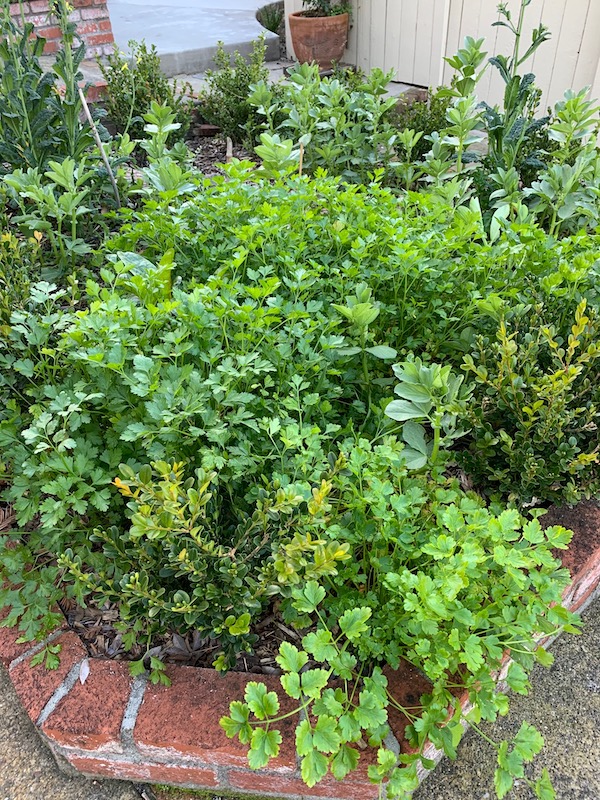
Culinary herbs might be the single strongest argument for growing your own anything. Herbs are essentially all volatile aromatic compounds, which start dissipating the moment you cut them. Store-bought fresh herbs have usually traveled days in plastic packaging, sweating and wilting. The difference between a basil leaf cut 10 minutes ago and one from a supermarket bag is not subtle—it’s dramatic, as is the price difference. Our Mediterranean climate is where so many herbs originate, so we are in an ideal growing zone. And need we mention that you can grow a mouth-watering variety of herbs you can’t find in the store, like Tulsi basil or lemon thyme.
* * *
Dig Deeper
We always recommend organic gardening techniques that keep your soil and your vegetables healthy and chemical-free. Companion planting is a great way to grow complementary crops that are mutually beneficial. You can read more about it in our online blog.
* * *
Edible plants—whether in a garden plot, containers, or sprinkled throughout the property—add delicious dimension and diversity to your landscape. We can include a beautiful organic vegetable garden as part of your design, so please give us a call at 707-789-9786.
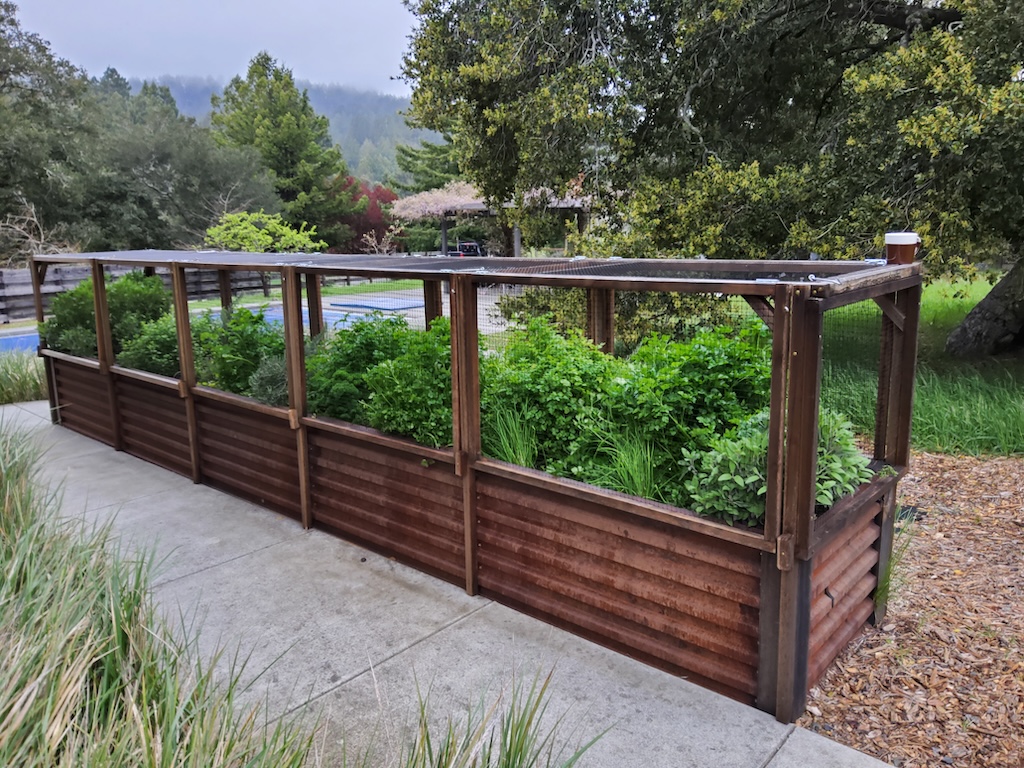
Above: Deer-proof herb garden
We have some important news to share with you! Equinox Landscape has moved out of our Petaluma location after 20 years. We’ve decentralized some of our office space and relocated operations to Santa Rosa. No change in our service to you, however. We continue to offer the finest in ecological landscape design, build and maintenance services.
Please note our new mailing address for all payments and other correspondence:
Equinox Landscape
555 Hunter Lane
Santa Rosa, CA 95404
If you have any questions, or are in need of new or continued work on your landscape, please give us a call at 707-789-9786, or send us an email at admin@equinoxlandscape.com.
Warm regards,
Patrick Picard, CEO & Founder
Equinox Landscape Construction Corp.