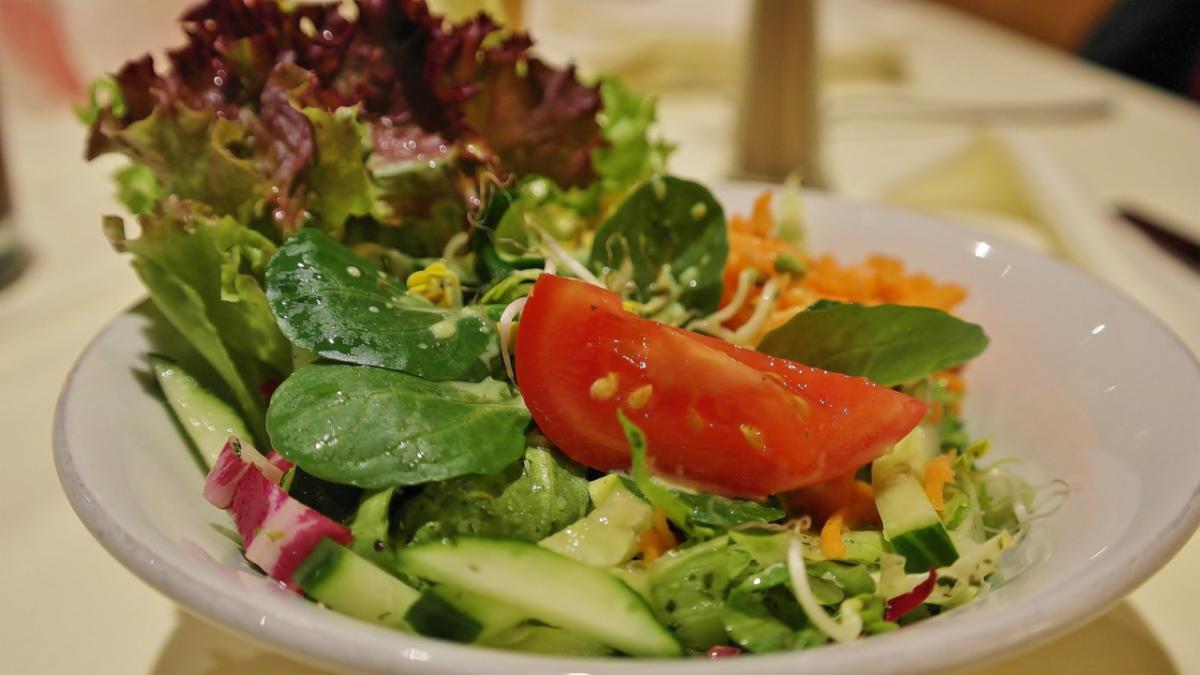
If you’ve dreamed all winter of eating fresh tomatoes, homemade pesto or crunchy-fresh green beans, now’s your chance. Summer gardening season is upon us. Here are our top five tips for a successful, bountiful vegetable garden:

1. Know what to plant from seeds vs. starts. Many people buy vegetable seedlings (starts) as an easy way to get their garden growing. Starts are convenient, but you are limited by what is available in garden centers and stores. Our Bay Area climate allows for sowing many varieties of vegetable seeds directly in the ground, such as: cucumbers, green beans, corn, melons, squashes, and Asian greens. Others are best started indoors and then transplanted as seedlings: onions, brassicas (broccoli, cauliflower, cabbage, kales, collards, etc.), tomatoes, peppers, eggplant and basil. Either way, be sure to consult your gardening charts for best times to sow and plant. And we always recommend organic starts and seeds.
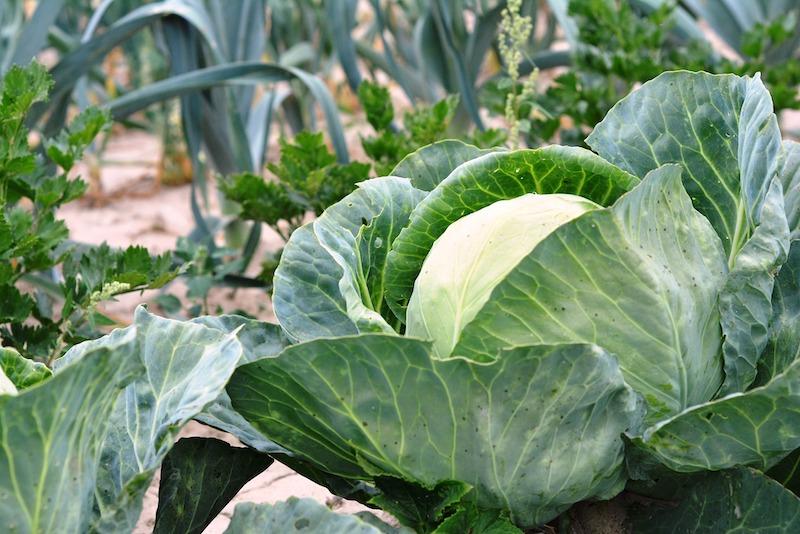
2. Rotate crops annually. If you’ve been gardening the same plot for several years, it’s important to switch around where vegetables are planted every year. Soil can get depleted with repeated plantings, and crop rotation helps re-distribute the “wear and tear” on your soil. Mixing up the plant locations will also help disrupt any potential soil-borne pathogens that could harm your veggies.
3. Companion planting. If you want to repel pests and boost biodiversity in your garden, try planting insect-repelling herbs and flowers near your vegetables. For example: plant tomatoes near basil, zinnias and marigolds. The latter three have pungent aromas that help repel whiteflies, mosquitos and aphids. And by placing ground-level plants that need more shade underneath tall plants that need more sun, you can boost a higher yield in a smaller amount of space.
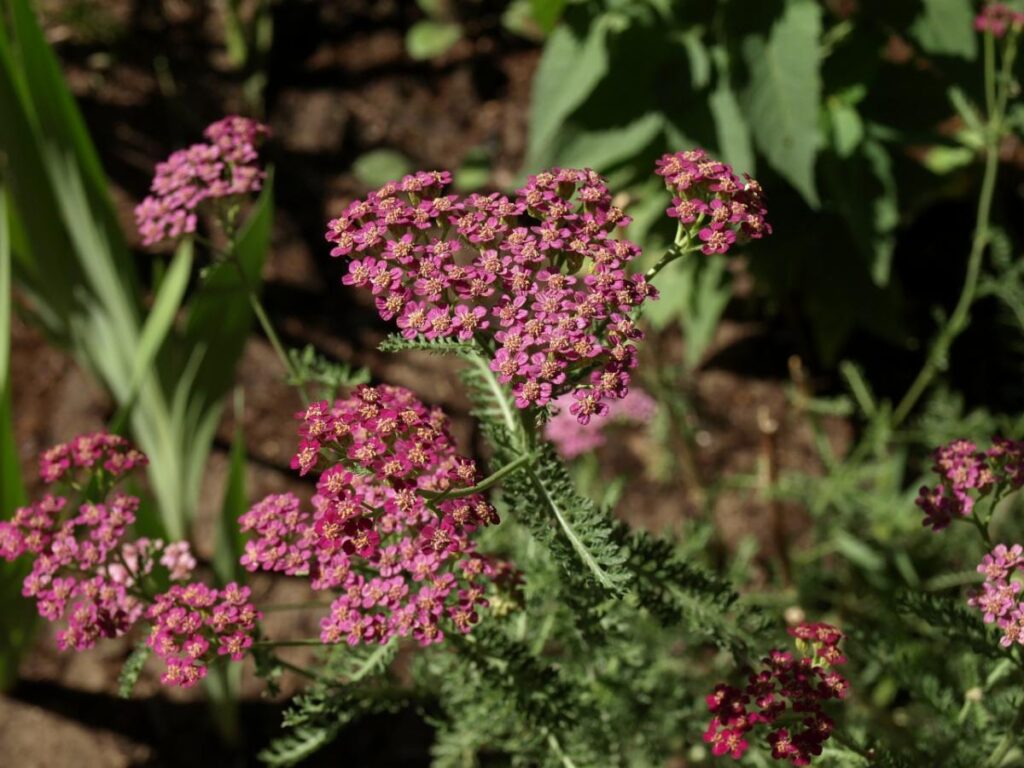

Yarrow and yes, dandelions(!), attract ladybugs, which in turn voraciously eat those pesky aphids.
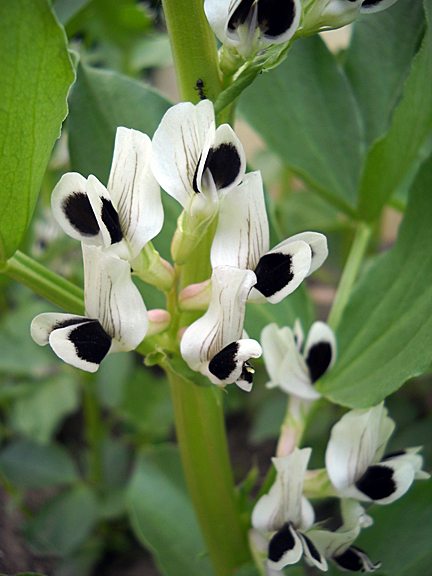
4. Replenish with soil amendments every year. Land that has been tended, gardened and well fed will build up a rich bed of soil that grows more fertile over the years. But beware: vegetables take a lot of nutrients out of the earth. It’s important to boost your soil with amendments that replenish those nutrients like nitrogen, phosphorus, potassium, boron and others. Compost, mulch and worm castings help feed soil and balance pH. During the winter, planting cover crops like favas (pictured, right), clover, peas or alfalfa will restore nitrogen and other necessary elements. Consider getting your soil tested to determine how best to prepare it for planting. The goal: rich, loamy soil teeming with healthy microbes, earthworms and other beneficial critters.
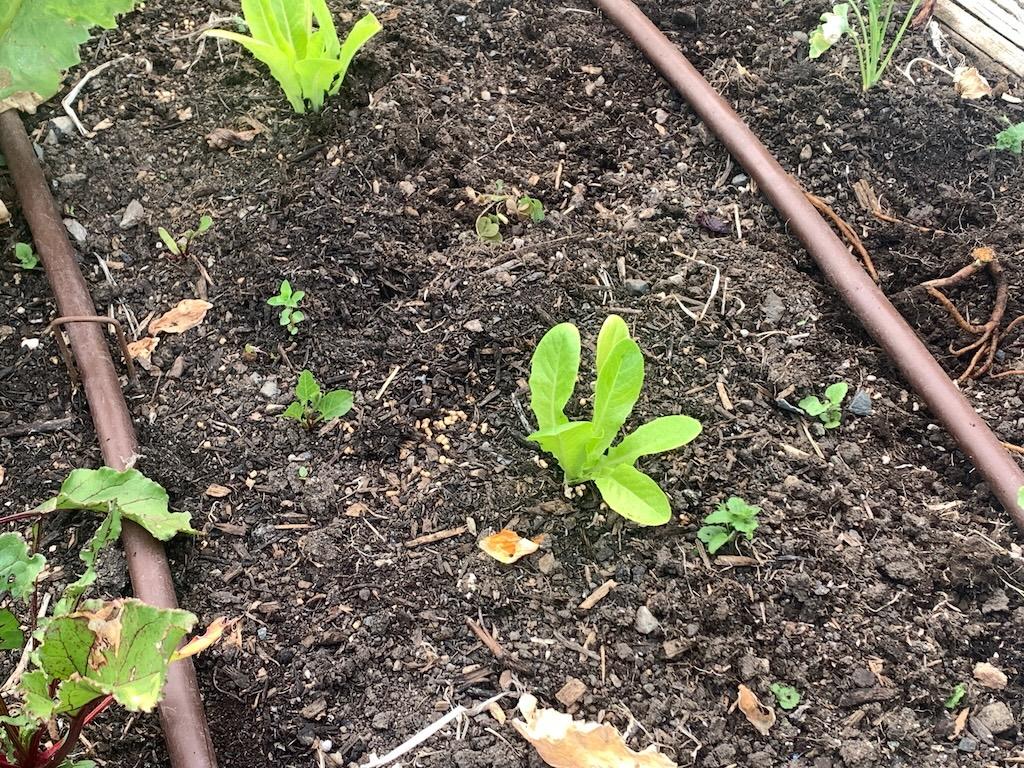
5. Water wisely. Vegetable gardens require regular watering, but soil should be moist, not saturated, two finger knuckles down. Drip irrigation is more efficient than above-ground sprinklers and produces fewer weeds. Avoid watering in the middle of hot days; opt for early morning or early evening instead, when the sun is low and temperatures are cooler. With less evaporation your veggies will retain more moisture and you’ll use less water.
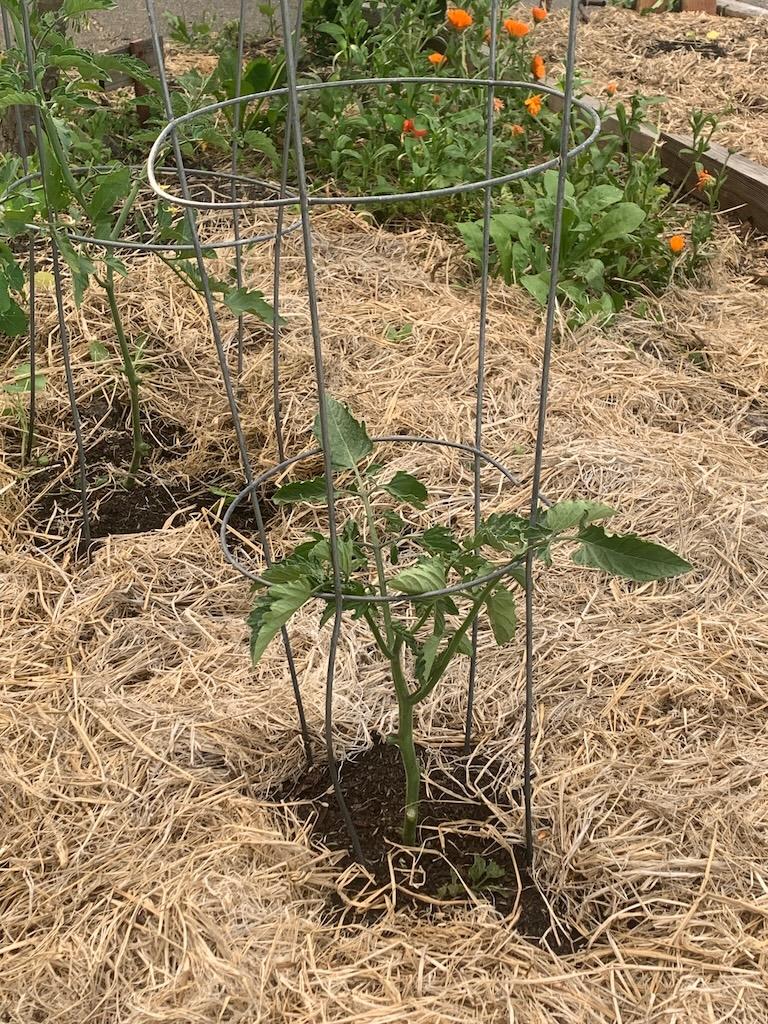
Bonus tip: Spread straw or mulch around plants and garden beds to help retain moisture and tamp down weeds. Be sure to use straw, not hay, which contains seeds. Rice straw is a great material, and can be found at feed stores.
* * *
Dig Deeper:
- We LOVE this garden planning software from Mother Earth News.
- Baker Creek Seeds, is an outstanding source for heirloom vegetable, herb and flower seeds. Although based in Mansfield, MO, they operate a store, The Seed Bank, right here in downtown Petaluma at 110 Petaluma Blvd N. (707-773-1336). Be sure to check them out!
- Sloat Garden Center offers this handy reference guide to companion planting.
* * *
If you are new to vegetable gardening and don’t know where to start, we can help assess your space, design a garden that fits your needs, and help guide you in maintaining optimal growing conditions. Call us for an estimate:
707-789-9786.