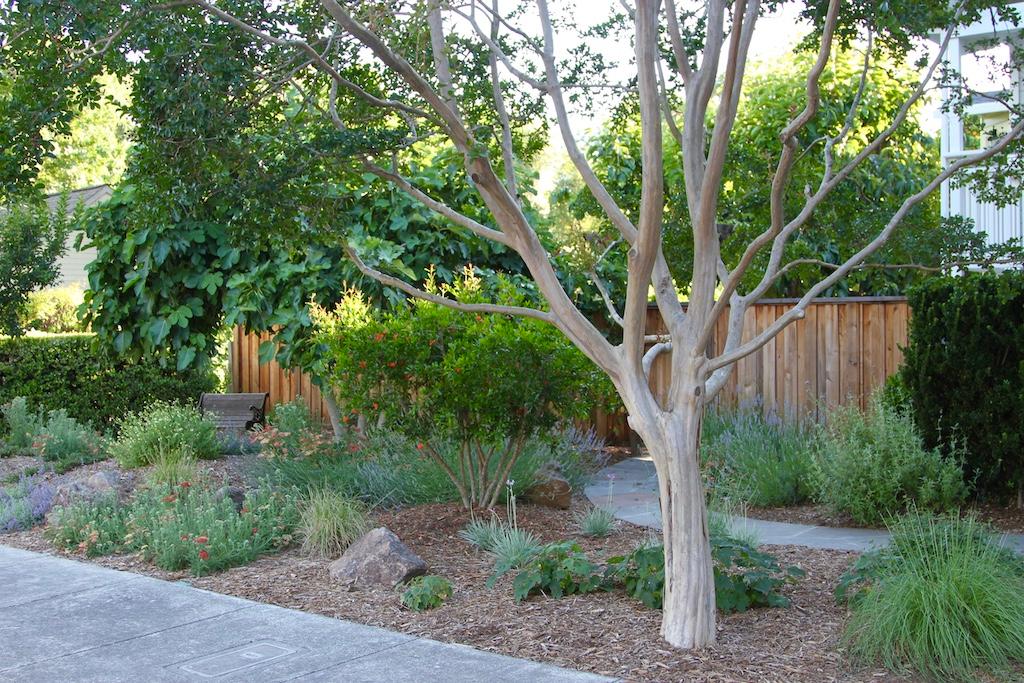
In the heart of autumn, with temperatures cooling off and days growing shorter, one can’t help but notice the changing foliage of our landscapes. In this season of falling leaves, and harvesting apples, pears and pomegranates, we dedicate this Scoop to trees: one of the foundations of a legacy landscape.
There are a number of landscaping factors to consider before planting trees on your property. But first, a brief review of the ecological benefits that trees provide:
Shade and cooling. Planting trees is a well-documented method for lowering the temperatures in a given locale, and saving energy in homes and businesses. The city of Sacramento embarked on an ambitious tree-planting program more than 25 years ago. Throughout the city’s neighborhoods, the urban heat island effect has been measurably lowered, while saving energy in residential and commercial buildings. Statistics aside, the aesthetics and comfort of sitting in the shade of a tree on a hot day are immeasurable.

Carbon sequestration. As trees grow, they absorb carbon dioxide from the air, using it to aid in photosynthesis. Over time, that carbon is stored in the wood, helping reduce the atmospheric carbon load—a process known as carbon sequestration. According to the US Forest Service, a single mature tree can absorb more than 48 pounds of carbon per year.
Water storage and evapotranspiration. During our dry season, trees absorb water deep in the soil through their roots, releasing water vapor in the air. This is why temperatures are lower and humidity levels higher in thickly vegetated landscapes. Conversely, during our wet season, tree roots absorb and drain rainwater back down through the soil and into the water table, helping conserve this precious resource.
Soil stabilization. Trees and other vegetation are essential to hold soil in place and prevent erosion. Depending on the species, some tree roots, such as in most California native oaks, grow deep taproots. Others spread more laterally closer to the surface, like coast redwoods. Both types of root systems are essential for healthy, stable soils.
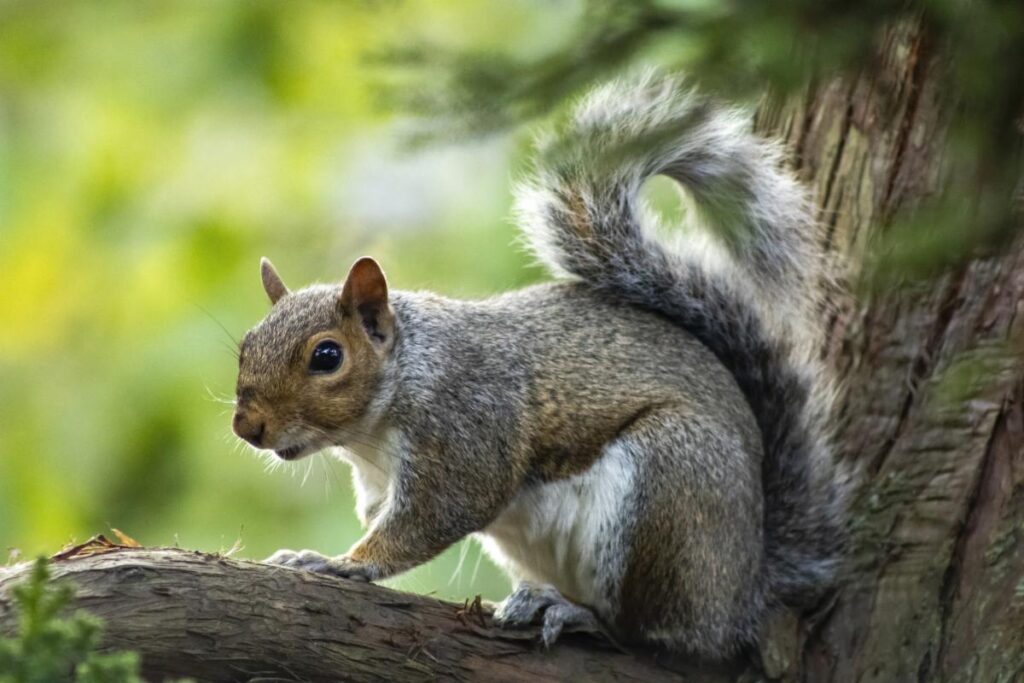
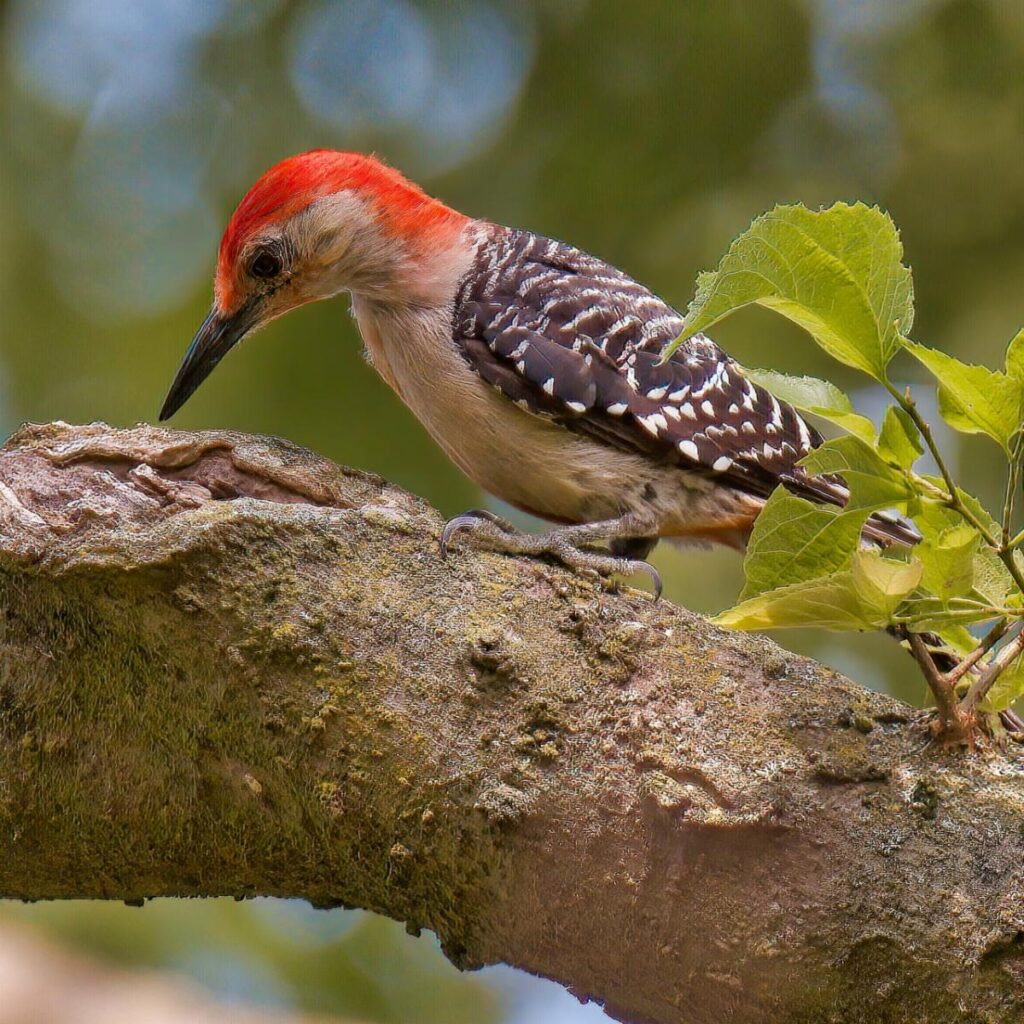
Wildlife habitat. A landscape that includes native and Mediterranean-climate trees, attracts local wildlife, providing vital nesting habitats and food. From acorn woodpeckers and oak titmice, to native salamanders and tree frogs, mature trees help your yard become a thriving, bio-diverse ecosystem.
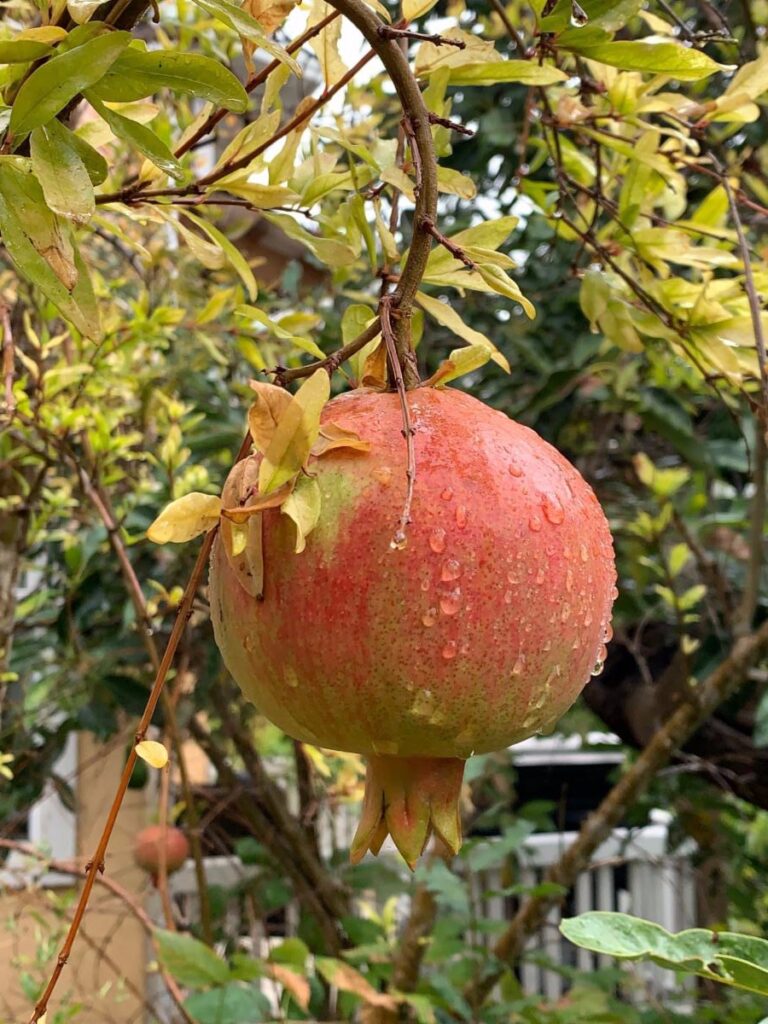
Food production. Eating fresh, seasonally local food from your own yard is one of life’s great pleasures. Citrus fruit, avocados, apples, pears, plums, figs and even almonds and walnuts can be grown here in the North Bay. Blossoming fruit trees also provide non-human food for pollinating insects and birds.
Trees require an investment of time, physical space and upkeep. After all, some species aren’t mature for decades, so a thoughtful landscape design must consider a number of long-term factors: building location, micro climates, variations in terrain, water needs and fire safety. Equinox’s principal landscape designer, Kamala Bennett, consults with clients in advance to understand what they like about particular trees and works with them to find the right species for the right location. She creates a checklist of functions for a particular site in order to design a harmonious landscape that will live on, perhaps for generations. Some elements to consider…
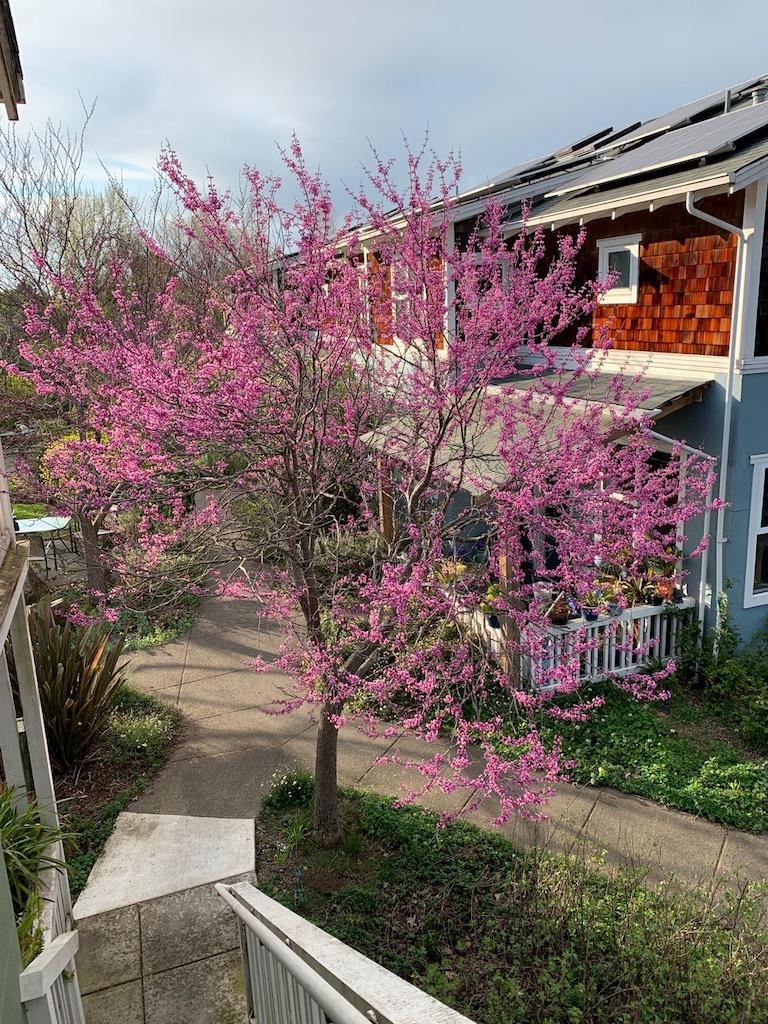
Is the soil rocky or clayey? Is the land sloped or on a windy hilltop? Sometimes a property must be graded to accommodate trees and allow for proper drainage and optimal water harvesting. For soil enhancement, nitrogen-fixing species might include mimosa, locust or redbud (pictured above).
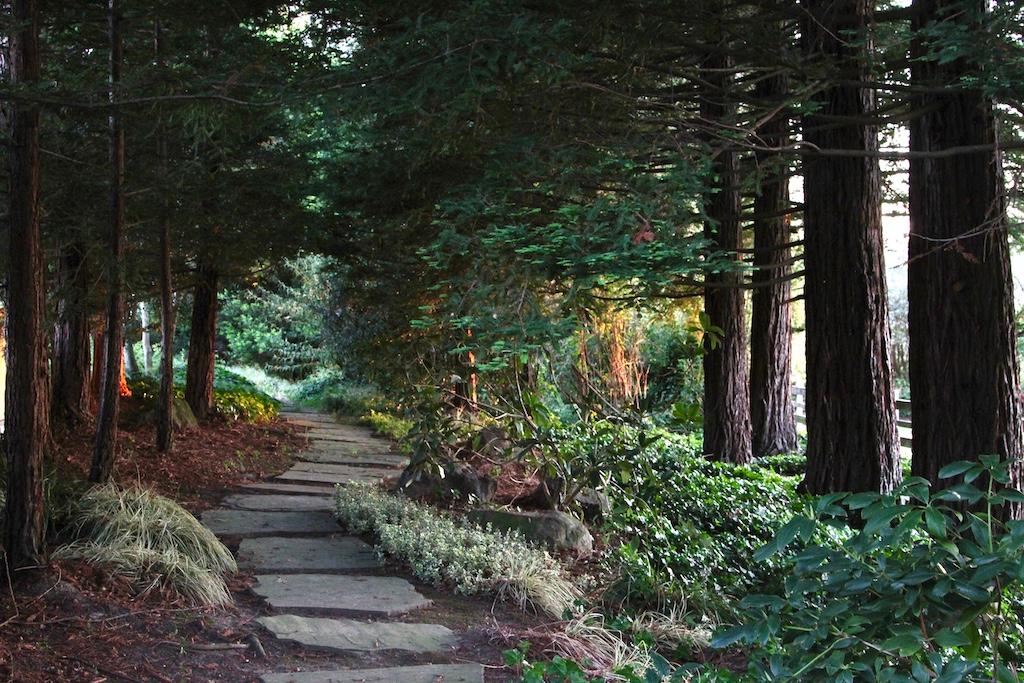
Use trees to screen roads or power poles from view. Conversely, a well-place tree can help focus and frame a view. These redwoods screen and frame the pathway, creating an alluring landscape feature.
- In what direction is the house oriented? A south or west facing side can benefit from deciduous tree shade in the summer for cooling, and warming sun in the winter. We’re especially fond of broadleaf evergreen native oaks (interior live, black, valley and blue).
- Keep heavily fruiting trees away from walkways to minimize mess.
- Plant pollen-intensive species (olive, male willows) farther away from windows to avoid allergens in the house
- Pair trees with low-growing plants and shrubs to avoid creating a fire ladder.
- Consider the size and shape of a tree when mature, taking into account the root structure and distance from building foundations, power lines and other human-made structures.
- Plant trees that harmonize with a site’s native vegetation, animals and insects to enhance biodiversity (madrone, Manzanita, oaks, alders, some willows)
* * *
Dig deeper:
The city of Petaluma was recently awarded a $1 million grant from the USDA Forest Service to plant more trees throughout the city. According to the Petaluma Argus Courier, the tree-planting initiative is part of the Petaluma Canopy Project, a collaborative partnership between the city and local nonprofits including ReLeaf Petaluma, Daily Acts, Rebuilding Together Petaluma, Point Blue Conservation and Cool Petaluma. Read the press release here. Read more about ReLeaf Petaluma’s tree planting efforts.
* * *
Trees are a living gift you can give to future generations. If you want to plant a legacy for the coming decades or even century, be sure to do it with knowledge and forethought. We can guide you through planning, design and installation, so give us a call at 707-789-9786.